Physical address: 6296 Donnelly Plaza Ratkeville, Bahamas.
Tips For Painting Exterior Wood
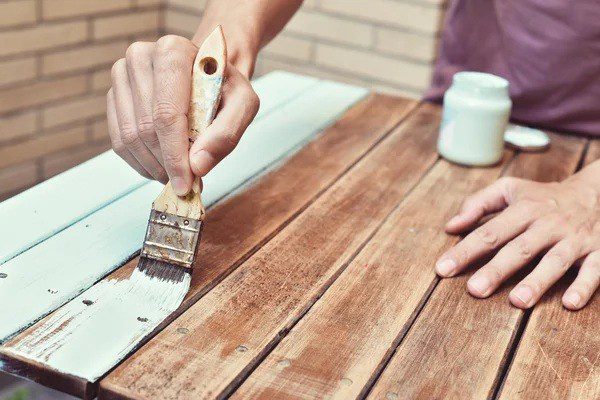
A successful wood painting project requires more then just slapping some paint on the wood. Proper preparation, the correct paint for the job and proper technique are just some of the requirements to achieving a long lasting durable paint job.
Preparing the Surface To Be Painted
The exterior wood must be prepared to receive the paint and primer. This is the most important step. If not prepped properly the paint could chip, peel and adhere poorly.
Spend a little extra time inspecting, cleaning and repairing the wood to be painted.
Determining The Wood's Condition
What you are looking for is loose flaking paint, rot, signs of insect infestation, mold and soft spots in the wood. If flaking scrape the paint.
Rot and damaged areas must be repaired before painting. Serious rotting and major damage may require replacing the boards.
Clean The Wood
To clean wood use a brush or power washer. What you are removing is dust, dirt mold or anything else that will negatively effect the adhesion and finish of the paint.
Simple soap and water is all that is needed for hard to remove debris. Your paint will adhere better and look great.
Sanding
Sanding provides a smooth surface for paint to adhere to. Removing splinters and remaining old paint creates a better finish once the wood is painted. Do not damage the wood by being to aggressive during sanding.
Repairing And Primer
Make repairs by sealing cracks and filling holes with wood filler. As mentioned above sand these areas smooth.
The next step is to apply a quality exterior primer. Using a paint that includes primer will save you some time. Experts recommend priming for longevity of the paint and to promote bonding to the wood.
Using The Right Paint
Using the right paint makes all the difference in the world. Not all paints are suited for exterior weather conditions. You need a paint that is durable and resistant to fading and the elements. If you are not sure which exterior paint to buy speak with your local paint store.
Never use interior paint for exterior applications it will fail.
Types of Exterior Paints
• Latex Paint is easy to clean, flexible, and great for most climates. • Oil Based is durable and thick, ideal for older wood or high-traffic areas. • Elastomeric Paint is stretchy paint that seals cracks and prevents water damage.
Your choice should be based on your climate. If you live in a very humid area elastomeric is a good choice while latex is water based and easier to use.
Temperature And Weather
Never paint below 35 degrees Fahrenheit. Your prefered paint application temperature is between 45°F and 80°F.
Also avoid rain and high humidity conditions too much moisture in the air will delay drying and effect the quality of the paint. Avoid painting in direct sunlight try to aim for earlier morning application.