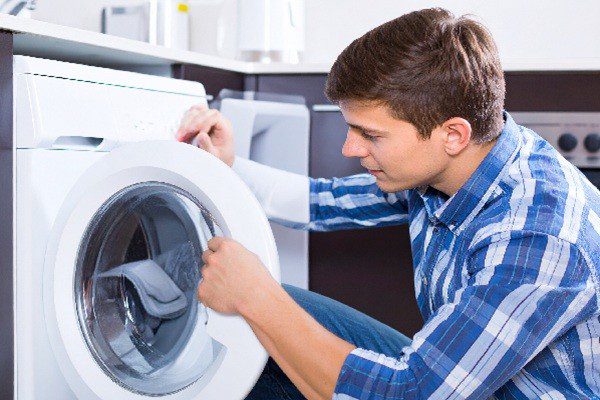
Diagnose Common Washing Machine Problems

washing machine repair

Your washing machine is an essential appliance used on a daily basis. If it starts acting up or worse stops working knowing how to diagnose and fix some common problems fast will save you time money and frustration.

Washing Machine Types & Components

There are two types of washing machines a top loader with a lid you lift on top of the machine to access and a front loader with a door on the front of the machine. While both models can be faced with different issues they have similar parts that may require maintenance or that may fail. Each machine has a lid or door switch, motor, drain pump, control board or timer and other parts that are vital for proper operation.

By giving you some knowledge of common problems that can effect the operation of your washing machine you will be better equipped to troubleshoot effectively and determine if you can fix it yourself or if you need to call a professional.

It is also very helpful to read the owners manual that came with the appliance. If you don’t have one you may be able to find it online by searching the make and model number of your washing machine.

Washing Machine Does Not Start

If you set your washing machine on a cycle and it doesn’t start the first thing you want to check is if the lid or door is closed properly. If door/lid latch is not engaged or broken the machine won’t operate.

Most machines have an indicator light that shows if the latch is in the closed or open position.  Next check to make sure the machine is plugged in and the circuit breaker hasn’t tripped or you have a blown fuse.

If the breaker or fuse look good check if the electrical outlet works by plugging a blow dryer or other item into the electrical socket to test it.

Washing Machine Doesn't Agitate Or Spin

Again check the power supply breaker and plug. Make sure nothing is jamming the agitator inside the drum. Check the lid or door switch to make sure it is working.

If your washing machine has a belt it may be worn or even broken this can stop it fron agitating and spinning. Open the panel and check for slippage or cracking.

When checking the belt also check if the motor is froze up or humming. A bad motor could be the problem. Some machines have a transmission instead of a belt.
If a transmission has failed or is in question it is best to call a professional.

Water Not Filling or Filling Slowly

If your washing machine does not fill up fills slowly or continuously fills without stopping several reasons can be the cause. Starting at the water spigot on the wall there could be a blockage from a torn washer slowing the flow of water.
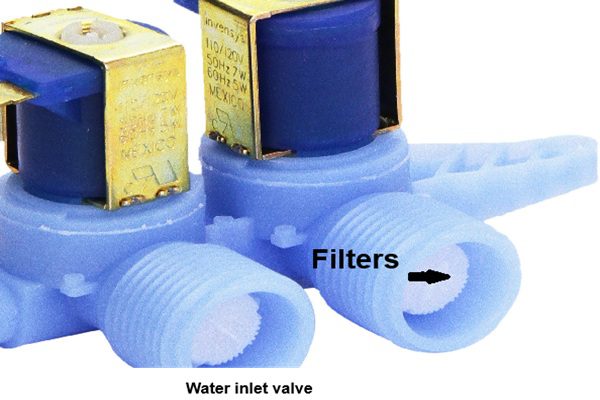
The filters on the inlet valve could be clogged or the inlet valve may be defective. Locate and clean the filters thoroughly they can retain lint and debris blocking flow.

To check the inlet valve run the washing machine on fill and listen for the valve to open and close. You can also check the operation of the inlet valve with a multi-meter. If the washer continuously fills without stopping most likely the valve is bad order a new inlet valve.
Washing Machine Leaks During Operation

When you encounter a leaking washing machine check the door seal on a front loader for tearing soap build up or debris and hoses on a top loader.

Check both for cracks and any kinking of the drain hose. Sometime the drain hose will jump out of the wall drain assembly if not secured.

Leaks  can appear at connections for the water lines at the pump assembly and also be caused by adding too much detergent.

Inspect the pump carefully for cracking or drips due to clogging. Fix any issues you find and regularly clean the door seal on a front loading washing machine.

Washing Machine Not Draining Properly

First thing to look for is an uneven load. This can cause the washer to not reach maximum speed during the spin cycle and effect water drainage. Even out your loads.

Check the drain hose for kinks and blockages. Make sure the pump is not just humming and remove the pump filter so you can check for a sock or other items that may have entered the filter causing the washing machine not to drain This requires taking off a panel.

The pump can also fail and need to be replaced

When To Call A Pro

Diy repairs will save you time and money but there are times when you should call a pro. When safety is an issue sparking or over heating and the problem is beyond your skill level call a professional.