Physical address: 6296 Donnelly Plaza Ratkeville, Bahamas.
Eco Friendly Propane Torch Flame Weeding
Weeds are a pain for anyone dealing with landscaping but there is an effective eco-friendly way to remove weeds without harsh chemicals. Propane flame torches are a great, effective and fast way to do just that. Flame weeding is quick and and it works! We will teach you all about propane torches, how they work, and how to use them safely.
Understanding Propane Torches for Weed Control
Knowing about propane torches, the controls and how they work is very important. Using the torch safely will not only protect you but those around you and your property.
What is a Propane Torch Flame Weeder?
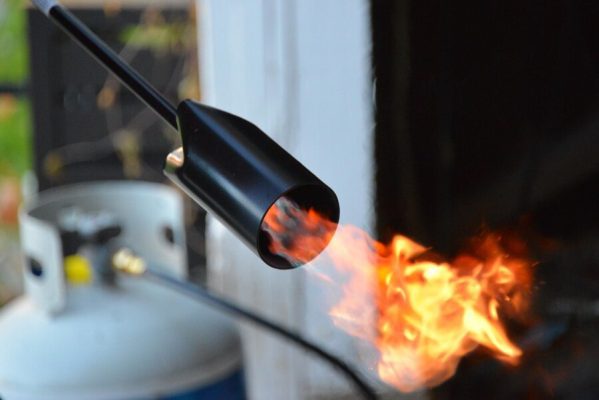
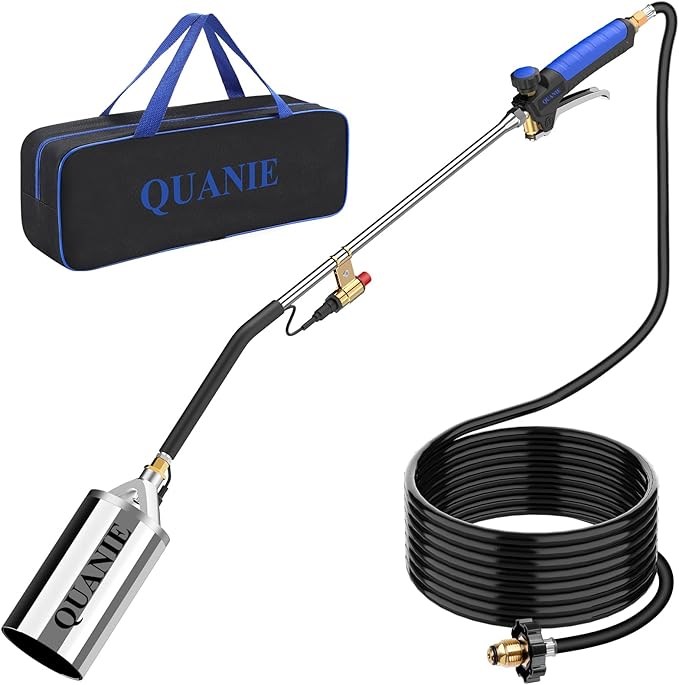
A propane torch weeder is a hand held tool with a wand and nozzle that connect to a propane tank. The nozzle is at the end of the wand and is where the flame comes out. This flame is adjusted by a controller at the base of the wand. The wand has a handle with a trigger used to release gas from the propane tank operating the flame. The gas flows through the wand and out of the nozzle, where it’s ignited manually. Once the gas is ignited a pilot flame remains lit at all times. This is why it is important to follow all safety precautions while operating the torch.
How Flame Weeding Works: The Science
Intense heat from the flame damages the weed’s cells causing the plant to wilt and die. Think of it like a sunburn for weeds. Cells within the weed rupture, stopping it from photosynthesizing. While it looks like the weeds are burning, they’re not actually being incinerated. For complete removal the plant can be burned to ash if needed.
The Benefits of Torch Weed Control
Right away the benefit is not using harmful chemicals for weeding. Flame weeding is not only fast but the weeds will not grow back. Large areas can be weeded quickly and many weed types can be eliminated. Torch weeding is a very green way to solve your weeding problems. Ash from this process also works it’s way into the soil adding nutrients and helps to increase soil pH.
Choosing the Right Propane Torch for Your Needs
Selecting the best propane torch is important as not all propane torches are the same. There are different types and the best choice depends on the task at hand. Size, features, and price are all things you may want to consider.
The different types include handheld wheeled and backpack . The handheld type are good for small areas such as housing landscapes. Wheeled torches are better for bigger weeding jobs or commercial properties and the backpack torches offer more movement over various landscapes.
When Buying a Propane Torch
Make sure it has an adjustable flame control. A longer hose gives you more reach. Some may come with their own propane tank or just the torch .
Pricing varies between a budget household propane torch and commercial grade. Remember you get what you pay for. If you want the tool to last upgrading is always best. If needed most propane flame torch tools can be used with over the counter propane tanks. Safety features are key, too.
Propane Torch Weed Burner Kit,1,800,000 BTU High Output with Storage Bag,Heavy Duty Self Igniter Blow Torch with Turbo Trigger and 10FT Hose $39.99 on Amazon Buy It Now!
Safety: Precautions Before You Start
Safety is key when using any propane torch. Wear the right gear. Take safety precautions before you start any weeding projects. Handle the torch carefully and respect the flame. Read all safety labels that came with the torch and the propane tank. Never operate a system that has a gas leak.
Gear Up: Essential Safety Equipment Always wear gloves. Eye protection is a must. Wear closed-toe shoes and jeans. A long sleeved shirt is also a good idea. This gear will protect you from burns and flying debris. Gloves: Protect your hands from heat and sparks. Eye Protection: Keeps your eyes safe from debris. Closed-Toe Shoes: Prevents burns on your feet. Long Sleeves/Pants: Shields your skin from heat and flames.
Pre-Weeding Checklist
Preparing you area by clearing dry leaves or mulch. These can catch fire easily. Keep a water hose nearby, just in case. Being prepared should be a priority.
Safe Torch Handling Techniques
Hold the torch away from your body and be aware of the flame at all times. Keep a safe distance from the weeds. Don’t move too slowly, and avoid overheating the ground. Overheating can create fire hazards. If you do set something on fire like bark or leaves use the water hose to thoroughly saturate the objects and the ground around them. Come back and check frequently to make sure they don’t reignite.
Step-by-Step Guide to Flame Weeding
If the torch and hose are already assembled connect the propane tank to the torch hose. Open the propane tank valve slowly. Using a flint spark igniter tool light the torch according to the manufacturer’s instructions. Adjust the pilot flame to your desired size. Hold the flame over the weeds and compress the trigger for a few seconds to increase the flame pattern by introducing more propane. Watch for the weeds to wilt. Repeat as needed for all weeds or you can burn the weeds to ash. When done turn off the torch making sure the flame goes completely out and disconnect the torch hose from the propane tank.
Targeting Different Types of Weeds
Grasses and broadleaf weeds may require different techniques when flame weeding. Grasses may need a quick pass while broadleaf weeds may need more heat. Repeated treatments are key for persistent weeds. Optimize your technique for best results avoid windy days. The wind can spread the flame or blow out the pilot. It is best to treat weeds when they’re young. They’re easier to kill then. Check on the weeds after treatment. Repeat the treatment if necessary.
Maintaining Your Propane Flame Torch
Proper care will keep your torch working for years. Store it right. Clean it often. Do regular checks. Repair immediately or stop use if any parts are leaking propane gas. Keep out of reach of children. Store your equipment and tank in a cool, dry place. Make sure it’s well-ventilated. Disconnect the torch from the propane tank after each use and double check that the valve is completely shut off before storing. This keeps everything safe. Cleaning your torch after every use will prolong it’s life. Clean the nozzle and other parts regularly. Check the hose for leaks or damage. Look at the connections, too. Catching problems early is important. A clogged nozzle can cause problems. So can an inconsistent flame. Clean the nozzle with a wire brush. Check the gas flow. Make sure all connections are tight.