Physical address: 6296 Donnelly Plaza Ratkeville, Bahamas.
How To Sharpen Your Lawn Mower Blade
A nice sharp lawn mower blade means a heathy lawn. Is your lawn mower tearing the grass and leaving behind jagged brown turf? Sharpening your lawn mower blade isn’t just about making mowing easier it’s about giving your lawn the best chance for healthy growth. With a sharp blade, you will keep your lawn looking great and disease free.
Learning how to sharpen your own lawn mower blade will save you money by not having to pay someone to do it and headaches if your lawn should die from poor maintenance. We’ll cover everything you need to know in this article. We includes safety, blade removal, the sharpening process, balancing, and reinstallation. Get ready to make your lawn mower as good as new.
Why Sharpening Your Lawn Mower Blade is Important
Sharpening your mower blade is important because it is key for the health and beauty of your lawn. A dull blade doesn’t cut cleanly. It tears at the grass. This makes your lawn vulnerable to all sorts of problems.
Improved Lawn Health
Clean cuts from a sharp blade allow grass to heal faster. They reduce the risk of disease and pest infestations. A healthy lawn is a green lawn. Sharpening your lawn mower blade is the first step to a better lawn.
Enhanced Lawn Mower Performance
Sharp blades reduce strain on your mower’s engine. This saves fuel and your mower will run more efficiently extending the life of your machine. Also rebalancing the blade will make the mower run smoother. This should be done annually before the mowing season starts.
Cost Savings
Regularly sharpening your blades prevents damage to your mower. It also reduces the need for costly repairs. This simple task saves you money in the long run. By doing this maintenance yourself you can save between $10-$25 versus a professional.
Tools and Materials You Will Need
Get your tools together starting with your safety gear. You will need eye protection safety glasses, work gloves and a dust mask to protect your lungs. For removing the blade from the lawn mower you will need an adjustable wrench and a socket set. Some lawn mowers require specialized blade removal tools mentioned in the mower’s manual. These tools will help you remove the blade easily.
Sharpening Tools
Depending on your chosen sharpening method. You can use a metal file, a grinding wheel, or a rotary tool. You can also use a blade sharpener. Each has their own advantages but no matter the method a Balancing Tool is essential. This tool ensures that the blade is evenly weighted and balanced preventing excessive vibrations when mowing.
Safely Removing the Lawn Mower Blade
Removing the blade safely start by disconnecting the power. Gas mowers require removing the wire from the spark plug. Electric lawn mowers are deactivated by unplugging the power source same for battery operated mowers. This protects you from accidental starts.
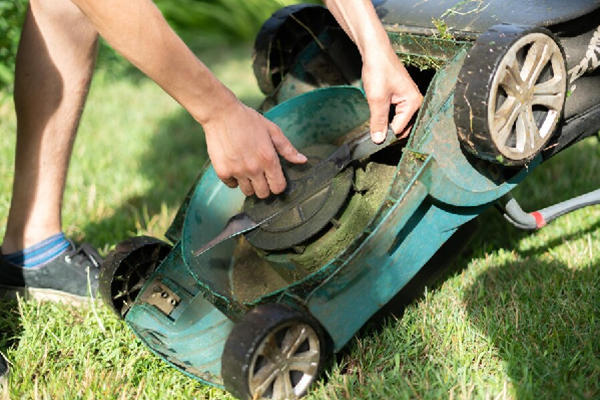
It is important to secure the blade to keep it from turning when removing. This is done by using a block of wood. After the blade is secure loosen the blade nut with the wrench and remove the lawn mower blade noting how it was installed.
Step-by-Step Guide to Sharpening Your Blade
If you are sharpening using a file hold the file at a 45 degree angle while filing in only one direction continue until the blade is sharp. Sharpening with a Grinding Wheel? Wear your safety glasses hile using light pressure on the blade to avoid overheating. Overheating can weaken the steel blade. Again sharpen at a 45 degree angle. If using a Blade Sharpener Follow the manufacturers instructions. In all instances balance the blade after sharpening.
Balancing the Blade
Balancing is critical. It ensures smooth mower operation. An unbalanced blade can cause serious issues due to vibration and could damage the engine. Using a Blade Balancer check the blade for balance. If one side dips down that side is heavier and needs corrected. To correct remove a small amount of material from the heavier side. You can use a file or grinder. Then, check the balance again. Repeat until the blade is balanced.
Reinstalling the Blade and Testing
Put the blade back on the mower. Make sure it’s facing the right direction. Tighten nut to the correct torque per manufacturer specs. Reconnect to the spark plug wire on a gas mower or plug in your electric mower. Ensure everything is secure. Testing the mower by starting and listening for unusual vibrations or noise. If everything sounds good you are all set.