Steps to Installing a Sod Lawn

Installing sod grass

Want an instant lush green lawn? Well maybe not instantly but surely in a weekend. Sod lawns can transform a weed infested dry eyesore of a yard into a beautiful lush green landscape.

You don’t have to wait months growing a lawn from seed. Installing a sod lawn does require planning. Preparing the soil, layout and irrigation requirements in advance are key to successfully installing a sod lawn.

These steps will help guide you with your sod lawn install and provide tips for a healthy lawn

The Difference Between A Sod Lawn and Seed

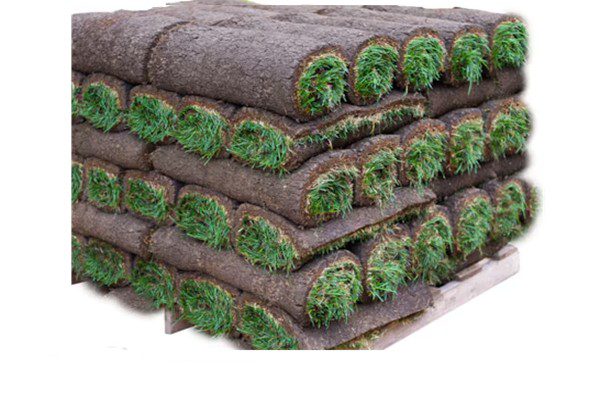
Sod is basically grass grown on what are called “Sod Farms”. Fully grown and cut in sheets or rolls with the roots attached. You can order pallets of sod directly from the farms or in small amounts from your local hardware store or nursery.

Sod grasses are available in just about any type of lawn grass such as Tall Fescue or Kentucky bluegrass. The soil preparation for sod or seeds is about the same.

Unlike seeded lawns sod has less weeds, requires less watering to establish and can be used in just a few days. Sod can also be used to patch damage in existing lawns.

Sod cost more then seeds but the results are almost immediate a lush green lawn in a mater of hours compared to months.

Planning For Your Lawn Install

Determine where your lawn will go. How big of an area you want. Keep in mind most lawn types require full sun while some prefer shade.

Pick an area that has good drainage puddling of water is not healthy for your lawn. Avoid large slopes as extra drainage will have to be installed

Test your soil and determine if it requires balancing the pH or needs extra nutrients added to the soil. Repair any of these issues before installing the sod.
Choosing the Right Sod

The most important first step is to choose type of sod grass to install. This is based on your climate and use of the lawns. For example if you have pets that will use the lawn you want a tougher grass and one that can handle abuse better. Your sod dealer will be the best person to talk to about which is the best sod for your needs.

Preparing The Lawn Area And Treating The Soil

• Rototilling the soil to a depth of 4-6 inches is a must to give help roots establish.
• Remove all weeds grasses and debris by raking the tilled soil.
• Repair or install your automatic sprinkler system.
• Based on the results of testing add compost, fertilizer, iron or other nutrients to the soil.
• Use the rototiller to mix the nutrients into the soil.
• Rake and level off the soil.

Determine How Much Sod You Will Need

sod on a pallet

Have a pencil and paper handy. Measure the area by length x width to get the square footage of sod. You can work in sections if needed. When ordering your sod from the dealer or hardware store make sure you set an appointment the day of installation to get fresh sod. Keep the sod wet so it doesn’t dry out.
Step By Step Installation Of The Sod Grass

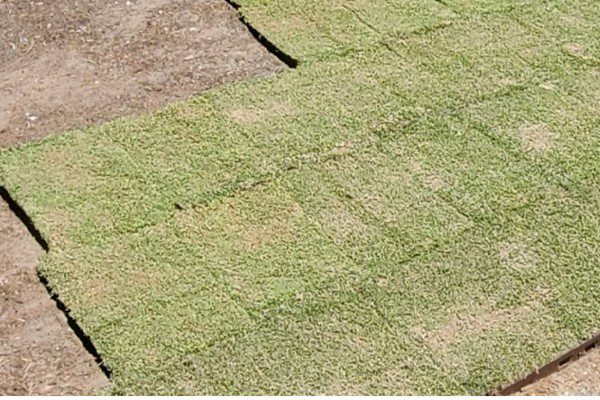
Pick a day it is not going to rain. Best weather is mild in the spring or no later then fall. Very hot weather will dry out the sod and make it harder to work with. Pick an far corner to start laying your sod. Lay the first piece straight following your layout of the lawn area. Lay pieces tightly together end to end and stagger the seams. You can trim the sod to fit with a sharp knife.

Allow enough time to finish laying the sod before dark. Get all of the sod laid in one day. If needed you can water the sod as you install to keep it wet. When done completely laying the sod wet all of it deeply to get the sod and soil wet to 4 inches. Keep the sod wet 24 hours a day for 2 weeks. Water in early morning and in the afternoon especially on hot days.

Troubleshooting Watering And Other Important Information

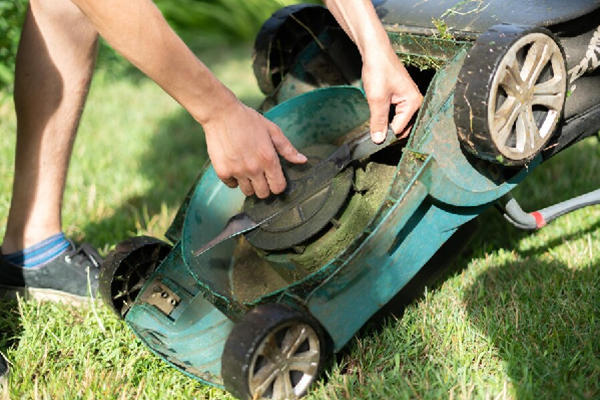
Do not walk on the sod for at least 2-weeks. Your first mowing should be when the grass has reached a height of 3 inches. Skip a season before fertilizing. If the sod was installed new in spring wait until fall to fertilize. If you have any areas of sod lifting you can use stakes to secure flat.

Corners can be pressed into the damp soil using your foot if they pop up. If any section should die you can easily purchase from a hardware store that sells sod if they have your type. Just replace that section with a new piece. Watch for pests like grubs, night crawlers and other insects that can harm your sod and treat as needed.

Water on a regular cycle during the growing season. Keep in mind grasses like Tall Fescue can go dormant during really hot weather. The grass roots will remain alive and will rejuvenate once the hot spell ends and the grass is regularly watered again.