Physical address: 6296 Donnelly Plaza Ratkeville, Bahamas.
Installing a Lawn Sprinkler System
Whether you are installing a new lawn sprinkler system or renovating an old system automatic sprinklers save time and provide even watering of your new or established lawn.
A sprinkler system must be installed properly to work right. We will help you step by step in the correct way to installing a lawn sprinkler system.
Preparing For The Install
Put your plan on paper by drawing a map of your lawn. Measure the lawn area length and width. For larger lawns divide into zones.
Determine the type of soil you have is it sandy or a type of clay. Sandy soil will drain a lot faster then clayish soil and will require longer watering times.
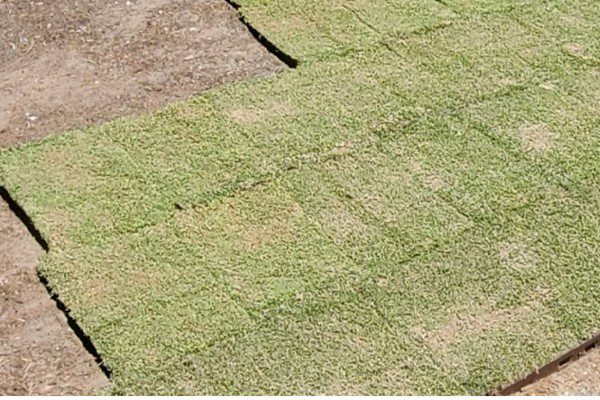
What kind of grass do you have or will you be installing? Different types of grasses require more or less watering.
Watering times also depend on the part of the country you live in. Warm climates require more frequent watering then do cool climates.
The Three Types Of Sprinkler Systems
There are three types of sprinkler systems you can install depending on the size of your lawn or garden. Rotary head systems cover a large area and are mostly used on bigger lawns.
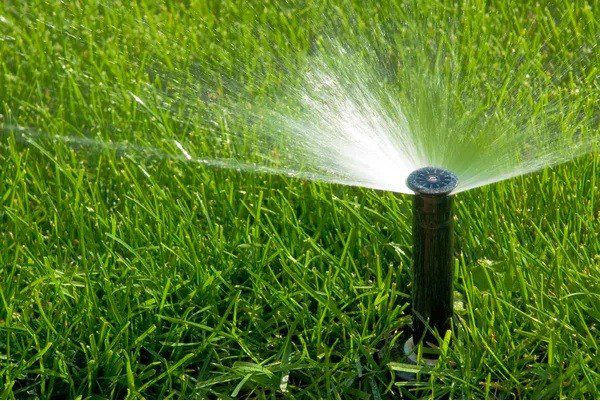
Your typical spray head system is what you normally find in most residential applications. The heads come in various patterns and flow rates while the system is installed undergound.
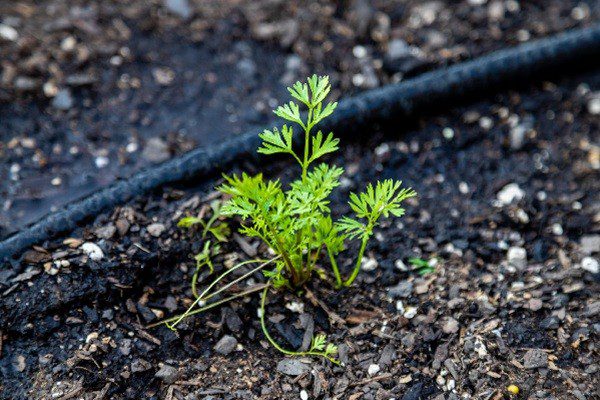
Then you have a drip irrigation system. This type of system is portable and is used on small gardens and plants but do come with spray heads that can be use on small patio lawns.
Creating a Layout and Design
On the map of your lawn make a mark where each sprinkler head will go. This is based on the pattern and distance rated on the sprinkler used. Allow each sprinker spray pattern to over lap eachother just enough for proper coverage.
Make sure the water pressure going to the system is high enough for the amount of sprinkler heads you are installing and their flow rate. If not then break up the heads into zones that will water independent of each other.
To determine water pressure on you property you can use a water pressure gauge that you connect to a water spigot. You can also determine gallons per min flow by filling a 5 gallon bucket for one minute with the spigot wide open then checking the amount of water in the bucket.
Each zone will require it’s own valve and piping.
Tools Needed
Shovel Pipe cutter Tape Measure White spray paint RotoTiller (If installing new lawn)
Before installation it is required to call your local utility company to mark where the underground utility lines are running up to your house.
Guided by your map of the project spray paint the outline of where your pvc pipe will be laid. Dig a trench 6-12 inches deep for the pipe to lay in.
Following the map mark where your sprinkler heads will go, the valve control box and wiring to the timer.
Connecting The PVC Pipe Risers And Heads
Cut your pipes using a pipe cutter and connect with couplings and T-fittings where the sprinkler heads will go. Make sure the fittings are snug and glued properly.
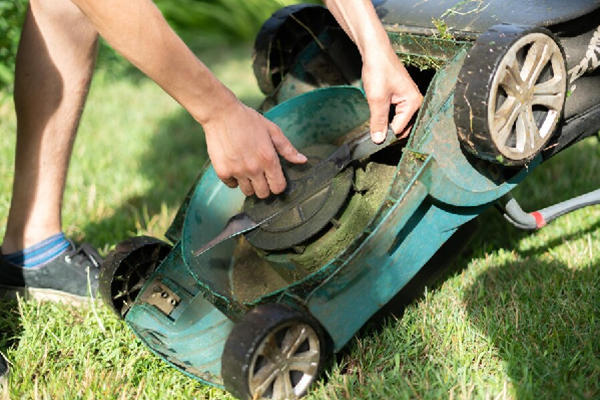
Install risers if needed. Check sprinklers to make sure the height is not at a level your lawn mower can hit. Do not backfill until after testing is done.
Continue running pipe all the way to your control box location. By now you should already have the timer installed with wiring ran to the control box and the water source prepared.
Installing The Irrigation Control Valves And Completing Install
Connecting the sprinkler system to the main line requires tying into the mainline with a T-fitting. If you don’t feel comfortable doing this hire a plumber to do it.
Once the T-fitting is installed you can attach the irrigation valve. If you have zones then you will need to plumb in the additional valves and wire each one to the wires out from the timer. For wiring follow the directions that came with the timer and new valves.
Testing The Sprinkler System
Turn on the system and check for leaks on each zone. Check fittings and make sure heads pop up as they should. Check and adjust the spray pattern of each sprinkler head for complete coverage of your lawn area.
Backfill the pvc piping and sprinkler heads. Compact the soil and remove any debris then water the lawn and test the timer.